Islington Council skip and disposal rules for Highbury removals
If you are moving in Highbury, the rubbish part of the move can be the awkward bit. Boxes are one thing. Old wardrobes, broken shelves, bagged clutter from the loft, and a pile of packaging that suddenly looks much bigger than you expected? That is where Islington Council skip and disposal rules for Highbury removals start to matter. Get them wrong and you can end up with delays, blocked access, extra charges, or a very annoyed neighbour at 7am. Get them right and the whole move feels calmer, cleaner, and a lot more organised.
This guide explains how local skip use and waste disposal normally works around Highbury, what to watch for during removals, and how to choose the most practical option for a flat, house, or office move. I will also show where a service like professional removals support can help when you are juggling heavy items, limited parking, and tight time windows. Let's face it, moving day is busy enough without guessing your way through waste rules.
Table of Contents
- Why the rules matter in Highbury
- How skip and disposal rules work
- Benefits of planning disposal properly
- Who needs this guidance
- Step-by-step guidance
- Expert tips for smoother removals
- Common mistakes to avoid
- Tools, resources and recommendations
- Law, compliance, standards and best practice
- Options and comparison
- Real-world example
- Practical checklist
- Conclusion
- Frequently asked questions
Why Islington Council skip and disposal rules for Highbury removals Matters
Highbury is one of those places where space is precious and the street layout can be a bit unforgiving. Narrow roads, shared entrances, controlled parking zones, flats above shops, and people trying to get on with their day all add pressure. In that setting, rubbish and waste are not a side issue. They are part of the move itself.
Why does this matter so much? Because the wrong disposal plan can create three problems at once: access issues, compliance issues, and waste-handling issues. A skip placed badly can obstruct traffic or footways. A pile of unwanted items left out too early can upset neighbours or breach building rules. And if waste is mixed or handed to the wrong person, you may lose control over where it ends up. That is not just inconvenient. It can be a mess to untangle later.
For many Highbury moves, the challenge is not whether items need to go. It is how to get rid of them efficiently while staying within local expectations. Some properties can take a mini skip, some cannot. Some streets are better suited to a removal van collecting sorted items and taking them away directly. Other jobs need a careful combination of packing, disposal, and storage. A good plan saves time, money, and a fair amount of stress.
Expert summary: In Highbury, the best disposal plan is usually the one that matches the property layout, the volume of waste, and the local access restrictions. A "one size fits all" approach rarely works well.
How Islington Council skip and disposal rules for Highbury removals Works
At a practical level, the process is usually about permissions, placement, separation, and collection. You do not need to overcomplicate it, but you do need to think ahead.
1. Decide what actually needs removing
Start by separating the move into categories: items to keep, items to donate, items to recycle, and items for disposal. That first sort is huge. It stops you paying to move things twice, and it prevents waste from being mixed with reusable goods.
For example, a chipped bedside table may be waste, but a solid chest of drawers might be better handled as part of furniture removals if it can be reused, sold, or moved to storage. Same item, different outcome depending on its condition and your timeline.
2. Check access and local restrictions
Before booking anything, look at the property access. Is the street narrow? Is there yellow line parking? Are there height barriers, timed loading bays, or a front garden with no clear drop-off point? These details decide whether a skip is realistic or whether a van-based clearance is simpler.
In many Highbury streets, a skip may be awkward simply because the placement area is limited. That is especially true for basement flats or homes with little frontage. If a skip is not practical, using man with van support or a broader removal services approach may be more sensible.
3. Understand that skips are not "free placement" objects
Putting a skip on a public road or pavement usually involves local permission and may need traffic-sensitive planning. The exact process can vary, so you should not assume you can just drop one outside and leave it there. If the skip sits on private land, such as a driveway or yard, the rules are usually simpler, but you still need to think about access, neighbour impact, and safety.
There is also the practical question of loading. A skip is best when you have mostly bulky waste, renovation debris, or mixed household rubbish that has already been sorted enough to load safely. It is less ideal when you have time-sensitive moving waste spread across multiple rooms and only a short loading window.
4. Keep waste streams separate where possible
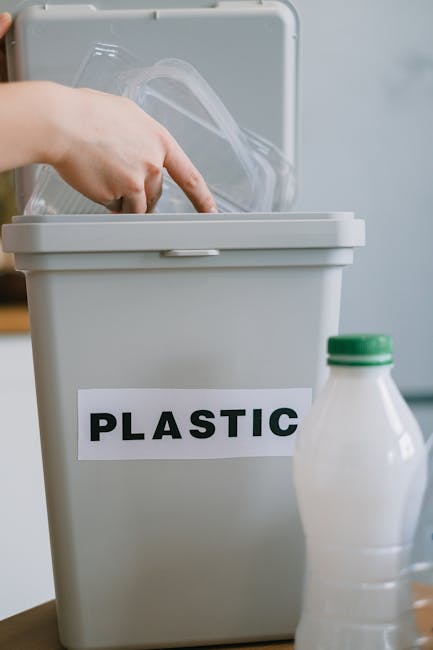
Recycling and disposal work best when you separate material types. Cardboard, soft plastics, broken furniture, metal items, and general waste should not all be thrown together unless the disposal route clearly allows it. Keeping things tidy helps the team doing the lifting, and it can reduce overall waste costs too.
If you are moving a flat and stripping out old packaging, having packing and boxes organised early makes a noticeable difference. It sounds obvious, but people often leave all the carton breakdown until the last evening and then wonder why the hallway looks like a paper storm.
5. Arrange collection or disposal at the right point in the move
Timing matters. Leave disposal too late and you end up loading around clutter. Leave it too early and you may accidentally throw away items you still need. The best plan is usually to remove waste after final decisions are made but before the main furniture exit.
For some people, the neatest solution is a small same-day collection after loading, especially if the move is compact. In those cases, same-day removals can be useful when the schedule is tight and you want everything gone in one go.
Key Benefits and Practical Advantages
Getting skip and disposal rules right is not just about avoiding bother. There are real practical benefits, and you feel them on moving day.
- Cleaner loading areas: removal teams can move furniture without stepping over loose rubbish or broken packaging.
- Fewer delays: you spend less time deciding what goes where, and more time actually finishing the move.
- Lower risk of damage: fewer loose items means fewer scrapes, trips, and awkward carry routes through hallways.
- Better recycling outcomes: sorting items early makes it easier to divert reusable or recyclable materials away from general waste.
- Smoother neighbour relations: less mess outside the property means fewer complaints and less friction in shared buildings.
There is also a quiet benefit people do not always mention: the move feels more under control. You know that feeling when the last bag is gone and the floor finally shows? That is not a small thing. It changes the mood of the whole day.
If your move involves a lot of furniture, especially bulky items that will not fit in a normal vehicle, it may help to compare direct disposal with a dedicated collection service such as furniture pick up. In many cases, that is tidier than trying to blend waste removal into the rest of the move.
Who This Is For and When It Makes Sense
This guidance is for anyone in Highbury who needs to get rid of unwanted items while moving. That includes people leaving a flat, homeowners decluttering before a sale, landlords clearing between tenancies, and small businesses relocating offices.
It is especially relevant if any of these sound familiar:
- You have limited street access or no private driveway.
- You are moving from a first-floor or upper-floor flat.
- You have a mix of furniture, bags, cardboard, and general household waste.
- You need the move finished within a narrow time slot.
- You are trying to avoid multiple trips to disposal points.
- You want to keep the move legal, tidy, and neighbour-friendly.
For renters, the pressure can be even higher. End-of-tenancy timing is usually tight, and the state of the flat matters. If you are leaving a studio or shared property, a local student removals style move can be a smart fit because it keeps the process simple and cost-aware.
Commercial movers have different concerns. An office clear-out may include desks, monitors, archive boxes, and redundant storage units. In that case, a service like office removals or commercial moves often works better than a skip-only plan because business waste tends to be mixed with assets and sensitive material.
Step-by-Step Guidance
If you want a straightforward way to handle disposal during a Highbury move, use this sequence. It is practical, not fancy, and it works.
- Walk through the property room by room. Write down what is staying, what is going, and what needs special handling.
- Measure the bulky items. Wardrobes, mattresses, shelving, and large sofas can make or break your disposal plan.
- Check access outside. Note any parking limits, steps, gates, narrow pavements, or loading restrictions.
- Choose the removal route. Decide whether a skip, direct collection, van-based removal, or a blend of methods makes the most sense.
- Book early if timing is tight. In a busy London area, leaving this until the last minute is asking for trouble. Honestly, it is.
- Pack waste separately. Use bags or boxes for different types of rubbish so loading stays quick and safe.
- Keep routes clear. Hallways, stairs, and door thresholds should be free of loose items before the removal team arrives.
- Confirm collection timing. Make sure disposal happens before final handover or before the main furniture move if needed.
- Do a last sweep. Check cupboards, under beds, behind doors, and on top of wardrobes. You will almost always find one extra thing.
A simple example: if you are moving from a Highbury flat with a sofa, two bookshelves, six bags of decluttered items, and a mountain of cardboard, you may not need a skip at all. A scheduled collection combined with flat removals could be cleaner, cheaper, and easier to manage.
Expert Tips for Better Results
Here is where a little local know-how saves real hassle.
- Sort before you touch the van: if items are separated in advance, loading is quicker and the disposal route is clearer.
- Do not mix good furniture with rubbish: once it is in a waste pile, it tends to stay there.
- Use vertical space wisely: dismantle wardrobes and tables where possible; flat items load better and take less room.
- Protect communal areas: in flats and converted houses, use blankets or covers so hallways do not pick up scuffs.
- Think about storage, not just disposal: if you are unsure about an item, temporary storage can buy you time.
That last point matters more than people expect. Sometimes you are not ready to bin an item, but you are also not ready to commit to keeping it in a cramped hallway for another month. A short-term option like storage can take the pressure off while you decide.
Another good habit is to keep a small "do not load" zone. Put passports, chargers, leases, keys, and anything sentimental somewhere obvious. Sounds basic, yes. But moving day has a funny way of eating important bits.
Common Mistakes to Avoid
Most disposal problems come from a handful of avoidable mistakes. They are common because people are busy, not because they are careless.
- Booking the wrong type of disposal: a skip is not always the best answer for a move, especially in tight streets.
- Underestimating volume: a few bags at the start can become several cubic metres by the end.
- Ignoring access rules: a van or skip may not fit where you assumed it would.
- Leaving sorting until moving day: that is when everything gets slow and messy.
- Forgetting protected or restricted items: some materials need separate handling and should never be dumped casually.
- Putting waste out too early: that can create problems with neighbours, weather, and building management.
One common slip-up is treating all removal companies the same. Some people just want transport. Others want full support with packing, disposal, and heavy lifting. If you need the latter, a broader service like removal companies or removal services is usually a better fit than a bare-bones vehicle hire.
And yes, cardboard boxes are the least glamorous part of moving, but they can create a surprising amount of hassle. If the pile starts looking like a small wall, you probably need a better sorting system, not more tape.
Tools, Resources and Recommendations
You do not need complicated tools to handle disposal well. A few practical items make a big difference:
- Marker pens and labels: label boxes and bags by room and action, such as keep, donate, recycle, or dispose.
- Heavy-duty sacks: useful for broken-down packaging and lightweight waste.
- Furniture blankets: they help protect doorframes, lifts, and bannisters.
- Basic tools: a screwdriver, Allen keys, and a cutter can save time when dismantling furniture.
- Measuring tape: this is the quiet hero of moving day. You will use it more than you think.
If you want support with the move itself rather than just the rubbish, a man and van option can be a good middle ground. It is often useful for smaller Highbury moves where you need lifting, loading, and practical transport without a full-scale operation.
For bigger homes, or where several large items need careful handling, a larger vehicle through moving truck support may be the more sensible route. The right vehicle matters. Too small and you pay in extra trips; too large and you waste money and space.
If your removal includes fragile or valuable items, such as a family upright piano, keep disposal separate from specialist handling. A service like piano removals should be treated as its own task, not squeezed into the general rubbish pile. That sounds obvious, but people do get tempted.
Law, Compliance, Standards, or Best Practice
This section needs careful wording, because local waste rules and permissions can change and the exact requirements depend on location, property type, and the nature of the waste. The safe approach is to treat council waste guidance, street permissions, and licensed disposal expectations seriously from the start.
In practice, the most important compliance points are usually these:
- Do not obstruct roads, pavements, or access routes.
- Place skips only where they are permitted and safe.
- Make sure waste is transferred to an appropriate, lawful disposal route.
- Separate hazardous or specialist waste from general moving waste.
- Keep records and invoices where relevant, especially for commercial clearances.
For households, the main concern is usually avoiding fly-tipping risk and keeping the move tidy. For businesses, there may be extra expectations around duty of care, data protection, and responsible disposal of office contents. If that is your situation, it is worth planning carefully and not just winging it. Winging it is rarely a strategy.
Best practice also includes respecting nearby residents. In a dense area like Highbury, noise, mess, and blocked access can become complaints very quickly. A bit of care at the start saves a lot of awkwardness later.
If you want to understand the company's own standards around safe handling, it is sensible to review the insurance and safety information alongside the health and safety policy. Those pages are useful for building trust before you book anything.
Options, Methods, or Comparison Table
There is no single "best" disposal method for every Highbury removal. The best choice depends on volume, access, time, and the type of items involved.
| Method | Best for | Pros | Watch out for |
|---|---|---|---|
| Skip hire | Large mixed waste volumes, renovation debris, heavy clear-outs | Simple loading, good for bulk waste, keeps rubbish in one place | Placement restrictions, access limits, permits may be needed |
| Van collection | Household rubbish, furniture, cardboard, mixed moving waste | Flexible, quicker in tight streets, no fixed skip footprint | Requires sorting and good loading discipline |
| Furniture-focused pickup | Large reusable or unwanted furniture | Efficient for bulky items, less waste clutter | Not ideal if you also have a lot of loose rubbish |
| Storage first, dispose later | Uncertain items, staggered moves, downsizing | Buys time, reduces rushed decisions | Not a disposal method on its own |
In many Highbury homes, the answer is a mix. You might remove obvious rubbish, store uncertain items, and then use a van-based service for the remaining furniture. That blend is often better than forcing everything into one system.
If you are comparing options for a home move, the broader home moves service page may help you think through the whole journey rather than focusing on waste alone.
Case Study or Real-World Example
Here is a realistic example from a typical Highbury-style move.
A couple in a second-floor flat near a busy residential road had to move out by late afternoon. They had a sofa, a dining table, two bookshelves, eight bags of mixed household bits, and a surprising amount of packaging from years of "we will sort that later." There was no driveway, only a narrow kerbside loading area that filled up quickly in the morning. A skip would have been awkward, and the building entrance could not have handled one well anyway.
Instead, they split the job into three parts:
- keep and pack essentials first, using sturdy boxes and room labels;
- set aside reusable furniture for transport;
- bundle disposal items into separate sacks and clear them with the move rather than leaving them in the hallway.
The result was a tidier load, less back-and-forth, and no pile of waste outside the building. Not glamorous, no. But smooth. And in moving terms, smooth is gold.
What helped most was not a clever trick; it was clarity. They decided early what belonged in the move, what belonged in disposal, and what could wait in temporary storage if they were not ready to part with it. Simple decisions, made early, usually win.
Practical Checklist
Use this checklist a day or two before the move. If you are anything like most people, it will catch at least one thing you forgot.
- Walk through every room and identify disposal items.
- Separate keep, donate, recycle, and throw-away piles.
- Measure bulky furniture and note anything awkward to carry.
- Check access, parking, and loading restrictions outside.
- Decide whether you need skip hire, van collection, or a mix.
- Pack cardboard, soft waste, and furniture parts separately where possible.
- Keep corridors, stairs, and exits clear.
- Set aside documents, valuables, keys, and chargers.
- Confirm collection times and handover timing.
- Do a final sweep of cupboards, lofts, shed spaces, and behind doors.
One more thing: if your move includes packed boxes that need careful lifting, a packing and unpacking services option can reduce the risk of accidental breakage and make sorting disposal much easier.
Get a free quote today and see how much you can save.
Conclusion
Islington Council skip and disposal rules for Highbury removals may sound like a narrow topic, but in real life they shape how calm or chaotic your move feels. If you sort access early, separate waste properly, and choose the right disposal method for the property, you save yourself a lot of trouble. That is especially true in Highbury, where space is tight and timing matters more than people expect.
The best moves are rarely the flashiest ones. They are the ones where the hallway stays clear, the waste goes where it should, and nobody is left standing on the pavement holding a broken shelf at the end of a long day. A bit of planning goes a long way, and honestly, it can make the whole thing feel much lighter.
And when the van drives off and the last bag is gone, there is a small, satisfying quiet to the place. That quiet is the payoff.
Frequently Asked Questions
Do I always need a skip for a Highbury removal?
No. Many Highbury removals are better handled with a van collection, furniture pickup, or a mixed approach. A skip only makes sense when the volume and access conditions suit it.
Can a skip be placed on the street in Highbury?
Sometimes, but public-road placement usually involves permission and practical restrictions. You should not assume a street skip is automatically allowed or easy to position.
What is the easiest way to get rid of furniture during a move?
For bulky items, a dedicated furniture collection is often simpler than trying to manage everything through a skip. If the items are reusable or carefully handled, furniture-focused removal is usually tidier.
What should I do with cardboard boxes after packing?
Flatten them and keep them separate from heavier waste. Clean cardboard is much easier to sort and remove, and it takes up far less room when broken down properly.
How do I know whether I need removal services or just transport?
If you only need a vehicle, transport may be enough. If you also need loading, sorting, waste handling, or furniture movement, broader removal services are usually better value.
Can I leave rubbish outside my flat before moving day?
It is usually better not to. Leaving waste out early can cause issues with neighbours, weather, building rules, or access. Keep it controlled until collection time.
What happens if my move includes some items I am not sure about?
Use temporary storage or set those items aside until you decide. It is often better to pause than to dispose of something you may want later.
Is same-day disposal a realistic option?
It can be, especially for smaller loads or tightly scheduled moves. The key is giving clear information about access, volume, and item type in advance.
How can I reduce waste during a move in Highbury?
Sort early, reuse boxes where possible, separate recyclable materials, and avoid mixing reusable furniture with general rubbish. Small habits make a noticeable difference.
Do office moves need the same disposal planning as house moves?
The basic principles are similar, but office moves often need more care around archive boxes, equipment, and data-sensitive materials. Commercial jobs should be planned more carefully.
What is the most common mistake people make with disposal during removals?
Leaving sorting until the last minute. That single habit causes most of the stress, because everything becomes a rush and the waste pile gets messy fast.
Where can I learn more about the company's approach to recycling and safety?
You can review the site's recycling and sustainability information alongside the terms and conditions to understand expectations more clearly.